
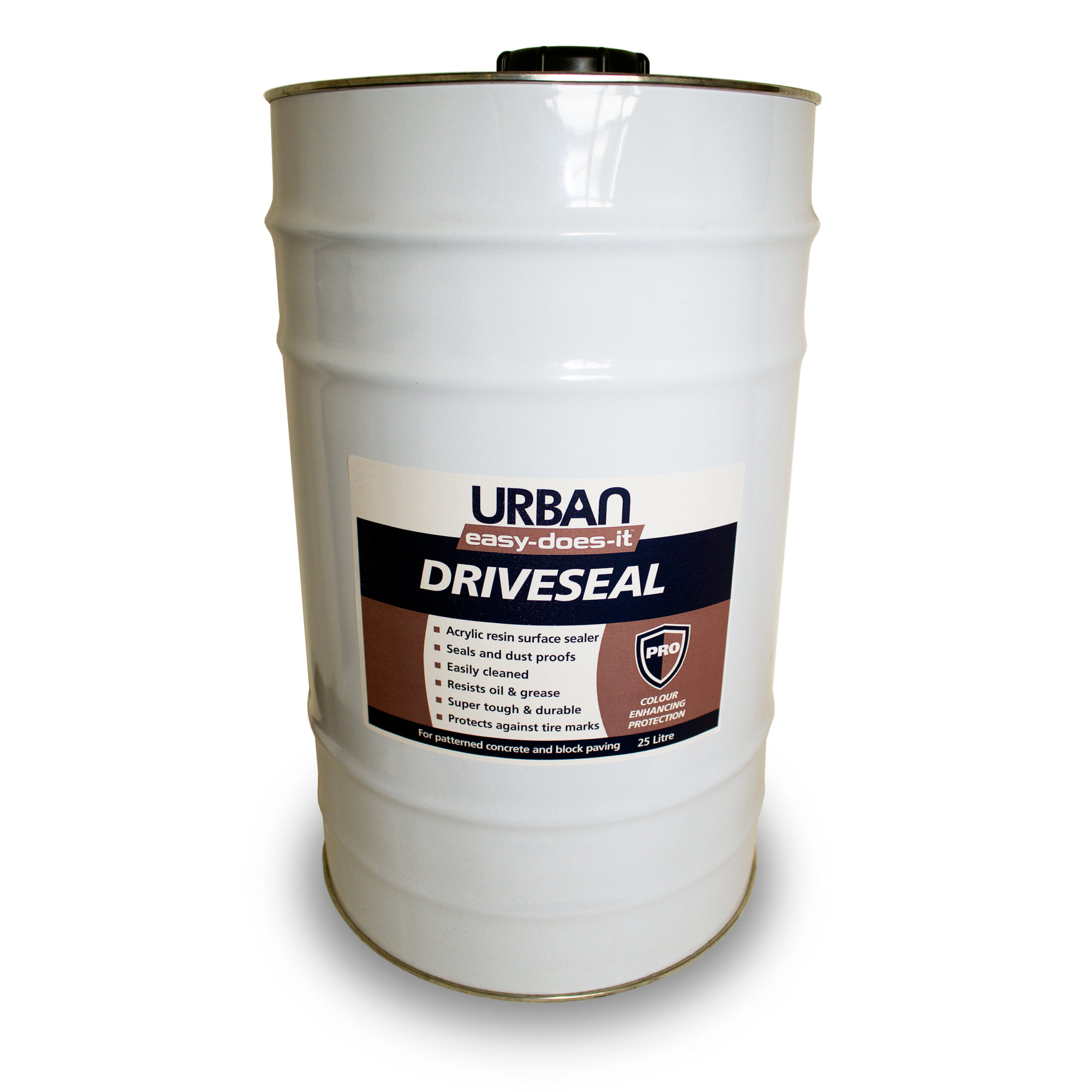
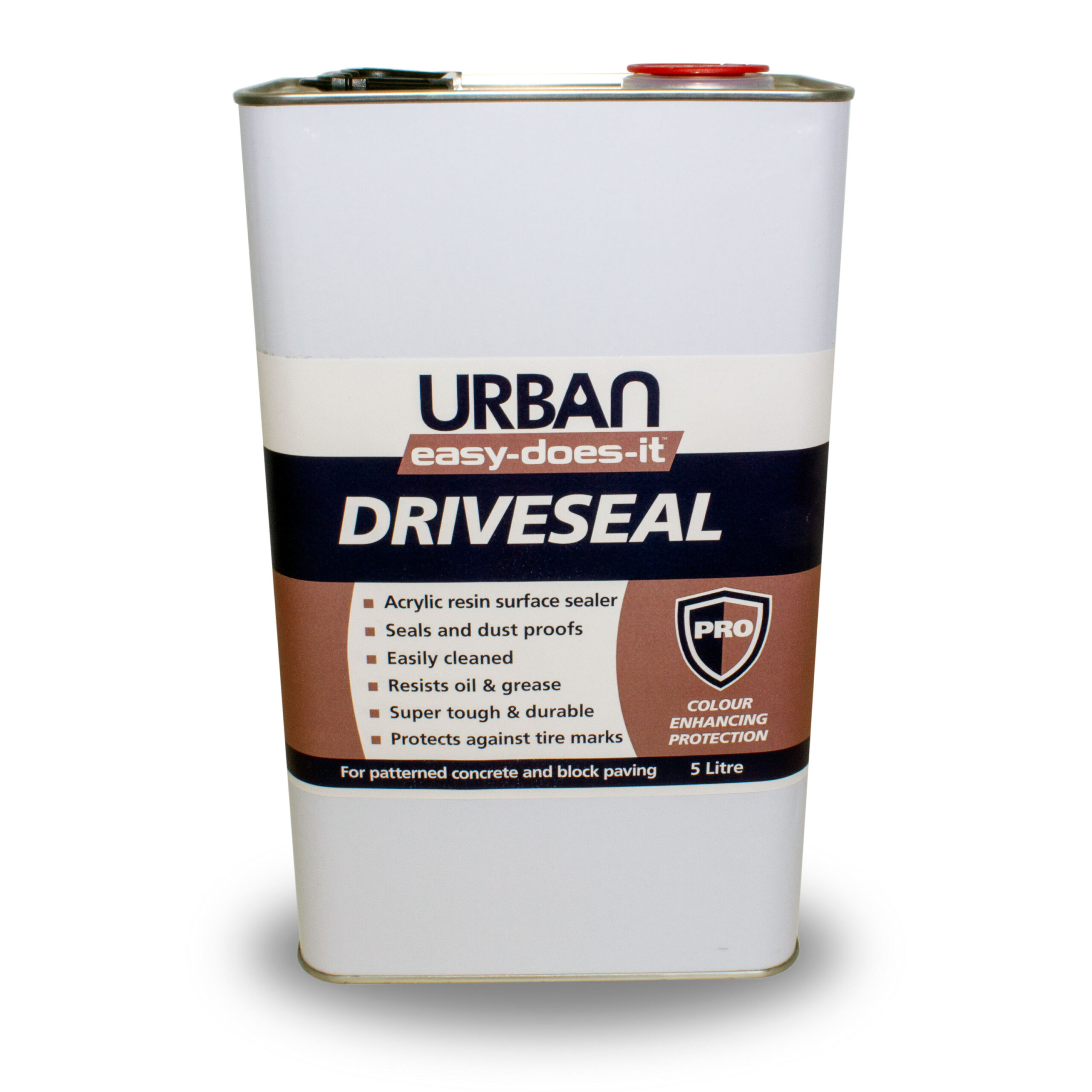
Block Paving Sealer
Seal block paving, drives and paths with a clear, colour-enhancing finish that resists oil and petrol spills and makes jet washing effortless.
- Resists oil, petrol, grease and brake fluid
- Clear finish that brings out paver colours
- Seals joints against grass; inhibits moss and algae
Have a question?
Overview
Block Paving Sealer (Driveseal) is a clear acrylic resin sealer for block paving, driveways, paths and pavements. It seals and dust-proofs the surface, leaving a trafficable, durable, colour-enhanced finish that repels and resists vehicle spills such as oil, petrol, grease and brake fluid.
As a driveway sealer it suits new and aged concrete, every type of block paving and, in particular, resin stamped or printed drive finishes. Once sealed, oil and petrol are kept from soaking in, so spills can be wiped up or washed away with a hosepipe. Soil, bird droppings and tree litter come off with a light pressure wash, keeping maintenance to a minimum.
Why choose it
- Resists vehicle spills: oil, petrol, grease and brake fluid, helping to prevent oil staining and spotting.
- Protects against car tyre marks.
- Colour-enhancing clear finish: brings out the colours and textures of brick and stone pavers. Charcoal and terracotta blocks take on a vibrant, wet look.
- Helps keep joints tidy: seals cracks and joints against grass, and inhibits moss and algae growth.
- Easier cleaning: leaves an easily cleanable surface and makes jet washing effortless.
- Chemical resistance: resists spills of dilute mineral acids, caustic alkali solutions, vegetable oils and de-icing salts.
- Quick to apply, inside or out, by brush, roller, squeegee or spray.
Where to use it
- Block paving drives and paths, including brick and stone pavers
- Concrete driveways, paths and pavements, new or aged
- Resin stamped and printed drive finishes
- Concrete floors in garages and warehouses, as a dust proofer that dries to a washable, wipe-clean surface
Don’t apply it to wet or uncured concrete, outdoors when rain is likely during application, or at 3°C or below. Any existing paint or curing membrane must be removed first.
How to use it
- Check the conditions. Choose a dry spell above 3°C, with no rain likely while you apply it.
- Prepare the surface. It must be sound and free from oil, grease, laitance and other contaminants. Remove any previously applied paint or curing membrane.
- Wash if needed. Clean with a detergent, follow with a clean water wash, then let the surface dry before sealing.
- Apply the first coat by brush, roller, squeegee or spray. On block paving, apply enough to fully seal the surface. Avoid leaving puddles of excess material.
- Add further coats if needed. On old concrete, apply a second coat after at least 12 hours; very porous surfaces may need a third. On new concrete, a second coat is recommended in hot, windy or fast-drying conditions.
- Clean your tools with Toolclean before the sealer cures.
How much do I need?
Coverage depends mainly on how porous the surface is. Typical rates from the data sheet:
- Block paving: typically 2–4 m² per litre, depending on the type of block.
- New concrete: typically 5 m² per litre per coat.
- Old, smooth power-floated concrete: 8–9 m² per litre for the first coat and 11–12 m² per litre for the second, or about 4.6–5.1 m² per litre over both coats.
As a rough guide for block paving, a 5 litre can covers about 10–20 m² and a 25 litre drum about 50–100 m². Not sure? Contact our team with your area and surface type.
Good to know
- Drying: tack-free in 2–4 hours and hard dry in 24 hours, both at 20°C.
- Check the look: the finish is colour-enhancing, so try a small area first to make sure you’re happy with it.
- Safety: avoid contact with skin and eyes, and wear gloves and goggles. Wash splashes off straight away with soap and water. If any gets in the eyes, rinse with plenty of clean water and get medical attention immediately. Read the safety data sheet before use.
- Storage: keep dry, out of direct sunlight, between 10°C and 25°C, and don’t let it freeze. Shelf life is at least 12 months in the original unopened container.
Green growth on your paving? Clean it first with our Algae Remover, rinse, and let it dry fully before sealing. For more surface protection, see our floor products.
Compare all our paving and exterior cleaning products.
Additional information
| Weight | 25 kg |
|---|---|
| Size | 5ltr, 10ltr, 25ltr |
Drive Protector
Professional looking driveways are just one coat away with super durable Driveseal. Supplied for use on hundreds of drives this high-quality clear acrylic resin sealer always looks great and withstands all vehicular and pedestrian traffic. Oil and petrol ingress are prevented and spills can simply be wiped up or washed with a hosepipe away.
Block Paving Sealer
Garden paths and block paver driveways look truly remarkable coated in Driveseal. The colour enhancing nature of this clear paving sealer lifts out the different colours and textures in brick and stone pavers whilst charcoal and terra cotta driveways really pop with a vibrant, wet look, lifted appearance. Furthermore, grass, moss and algae growth are all inhibited and contaminants such as soil, bird foul and tree litter are all easily cleaned away with the lightest of pressure washers ensuring your path or drive requires the minimum of maintenance and has the maximum appearance.
Dust Proofer
Dust proof concrete floors, warehouses and garages with Driveseal clear floor sealer. One coat of Driveseal over concrete dries to form a washable, wipe clean surface that can be trafficked and swept / pressure washed clean hundreds of times without the need for reapplication.
Frequently asked questions
Will it change the look of my block paving?
Yes. It dries to a clear, colour-enhancing finish that brings out the colours and textures of brick and stone pavers, and gives charcoal and terracotta blocks a vibrant, wet look. Try a small area first to check you’re happy with the finish.
How long does it take to dry?
At 20°C it is tack-free in 2–4 hours and hard dry in 24 hours. On old concrete, leave at least 12 hours before applying a second coat. Contact our team for advice on when to open a drive to vehicles.
Can I use it on a garage or warehouse floor?
Yes. It works as a dust proofer on concrete floors in garages and warehouses. One coat dries to a washable, wipe-clean surface that can be trafficked, swept and pressure washed. Read the safety data sheet before use.
Works well with
-
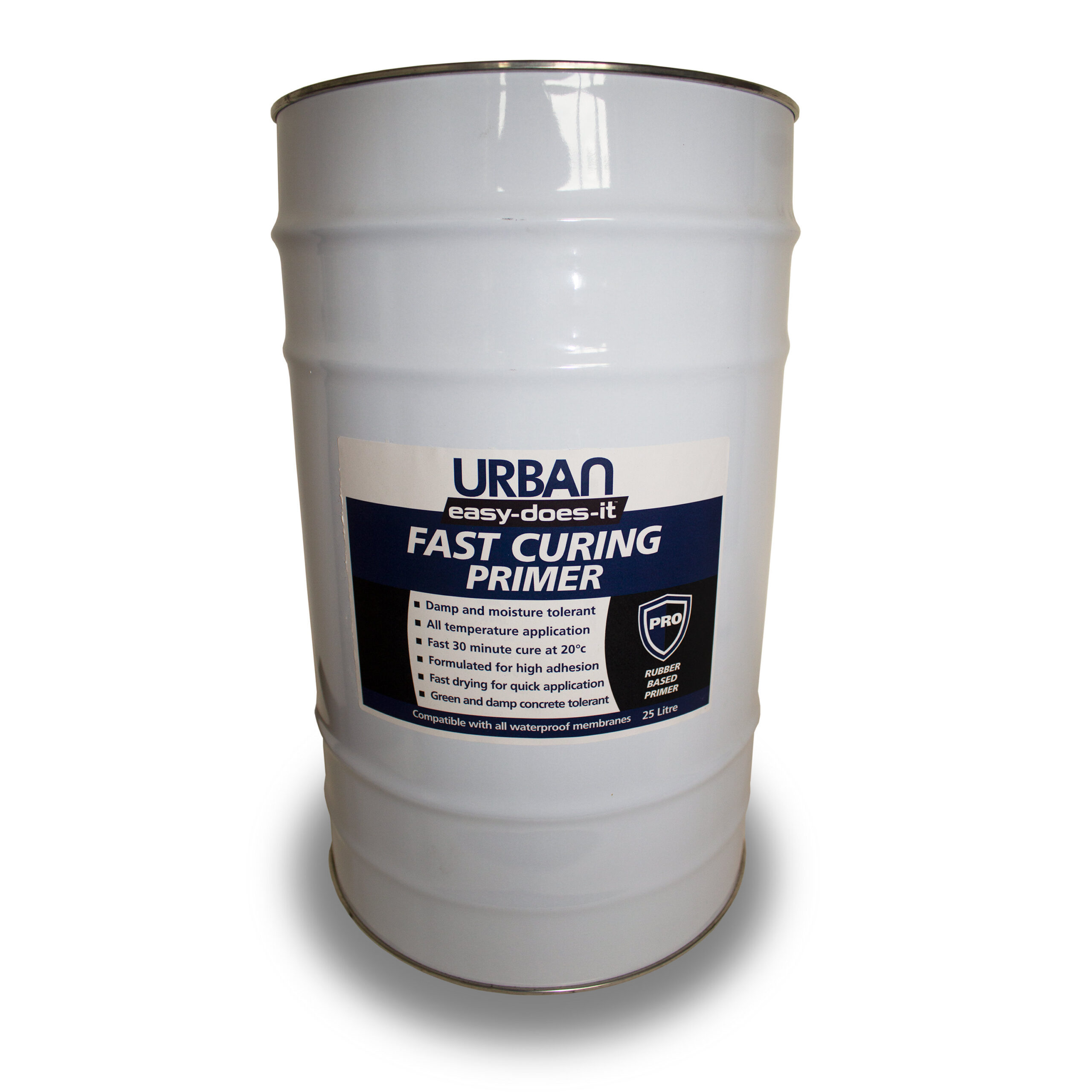
Floor Primer
Get a strong bond between the substrate and a self-adhesive damp-proof membrane, even on green concrete…
-
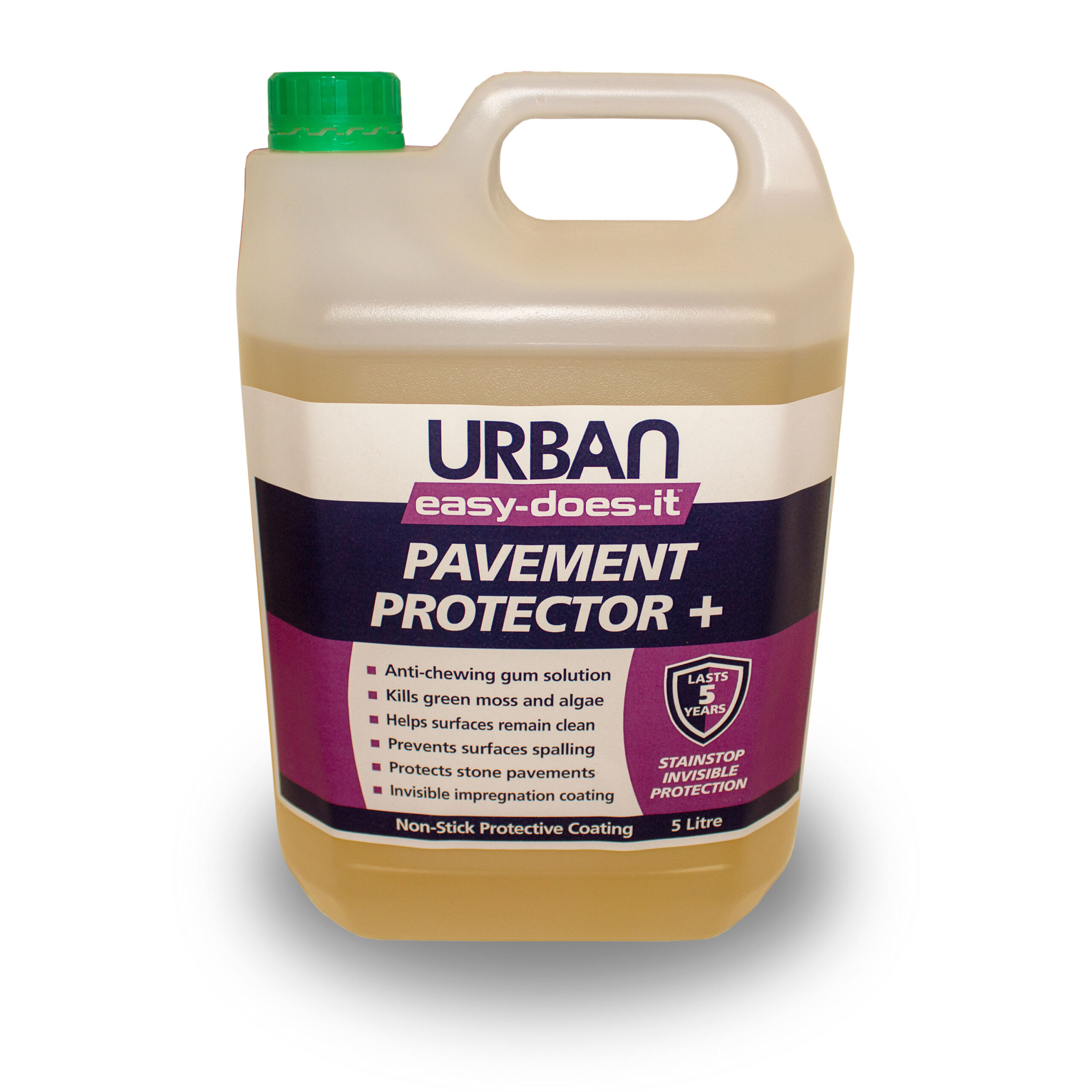
Pavement Sealer
Seal paving so chewing gum, oil and grease can't bond to it. Stainstop Anti-Gum Pavement Protector…
-
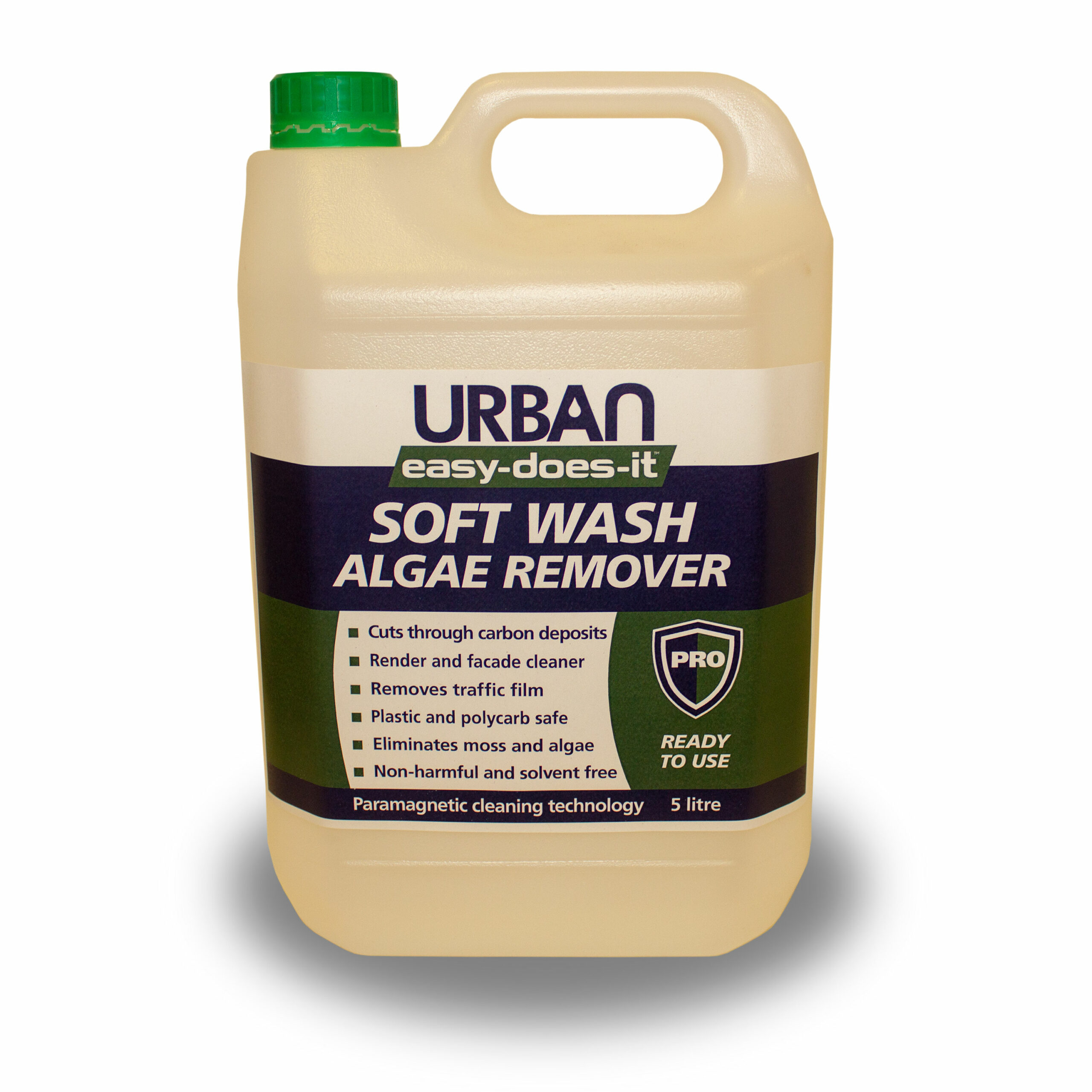
Algae Remover
Clear green growth and grime from render and hard surfaces. This ready-to-use biocidal cleaner kills algae,…
Who we support
Trusted across public, professional and creative sectors
Urban Hygiene products protect public spaces, transport networks, managed estates and creative projects across the UK.
Our customer base
- Local authorities
- Transport
- Housing associations
- FM companies
- Artists
- Contractors
- General public