

 View project
Public Art
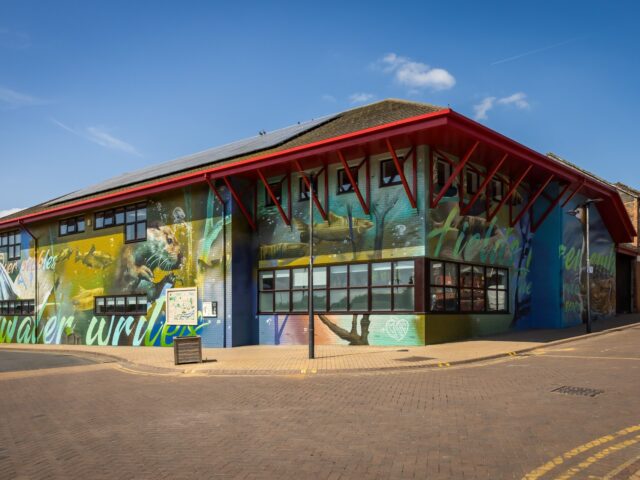
Mexborough Library Mural Protection
Peachzz’s river wildlife mural on Mexborough Library, protected with Urban Hygiene anti-graffiti clear glaze.
Read case study


Stop graffiti soaking into your walls. This permanent clear gloss glaze lets spray paint and marker be cleaned off again and again. It comes in two tins: mix the whole cure tin into the resin before use, and patch-test first.
Not sure this is the right product? Help me choose
See it in actionHave a question?
Tell us the area and surface so our technical team can help choose the amount.
Anti-Graffiti Coating is a permanent, clear anti-graffiti coating for walls, street furniture and other hard-working surfaces. It is the easy-on Protective Clear Glaze: a two-component coating that cures to a tough, clear gloss film. Graffiti can no longer soak into the surface beneath, so spray paint and permanent marker can be removed with compatible removers instead of being painted over.
Often searched for as anti-graffiti paint, it goes on like paint, by brush, roller or spray, but cures to a hard clear glaze. One coat is usual, and the September 2026 data sheet gives it a proven 20-year life. Councils, schools, transport operators, facilities managers and contractors use it as a graffiti-resistant coating that stays in place clean after clean.
Use it indoors or outdoors on concrete, brick, stone, masonry, render, tile, mortar, plaster, sealed timber, prepared steel and aluminium, powder-coated metal and existing painted coatings. Typical settings include:
Not suitable for: uncoated polycarbonate (coat the surrounding frames and signage instead), or heritage masonry where a gloss film is not wanted. For natural stone and brick that must keep a natural look, use Sacrificial Anti-Graffiti Coating.
The data sheet gives practical coverage of 9–33 m² per litre, depending on the surface, its porosity and texture. Porous and textured surfaces use more, and may need two coats. As a guide:
Use the coverage calculator above to choose your pack sizes, or contact the team about large or unusual surfaces.
Paint and ink adhere less strongly to the glaze, so tags release with a compatible graffiti remover or Graffiti Wipes. On smooth or robust surfaces, water or pressure washing also works. The glaze stays in place, ready for the next clean. Wait 7 days at 20°C for the full chemical cure before using any chemical cleaner. For everyday dirt, use mild detergent and water, and avoid abrasive pads, which can dull the gloss.
Protecting a mural? Art Varnish is the same clear glaze, supplied for artwork. See the coating at work on school corridor walls and Northern Rail trains.
Compare all our anti-graffiti paint and coatings.
Type: Clear, permanent anti-graffiti glaze (easy-on)
Durability: Proven 20+ year service life; withstands hundreds of graffiti removals without re-application
Finish: Clear gloss; preserves existing colours and textures
Surfaces: Brick, stone, concrete, tile, painted and powder-coated metal
Application: Brush, roller or spray (single-coat system)
Clean-down: Graffiti releases fast with compatible removers; water/pressure-wash on smooth or robust substrates
Chemistry/Compliance: Solvent-free, low VOC, Class 0; suitable for interior and exterior use
Typical use cases: Councils, transport assets, schools, hospitals, street furniture, murals/street art
Pack sizes: 420 ml, 2.25 L, 4.5 L
Always test on a small, inconspicuous area first—porosity, previous coatings and site conditions vary.
Finish: Clear glaze (non-tinting)
Colour: Water-clear (may deepen tone on very porous substrates; test first)
It’s a clear film. On very porous substrates a slight deepening can occur—carry out a test patch first.
Apply to surrounding frames/signage rather than uncoated polycarbonate. For plastics, use Graffiti Wipes or the safe remover and test a small area.
Service life depends on exposure, cleaning frequency and wear. Inspect routinely and recoat when sheen or beading diminishes.
This glaze remains in place after cleaning. Sacrificial systems are removed during hot-wash and must be reapplied.
Yes, with low-pressure HVLP or conventional spray equipment, as well as by brush or roller. Follow the datasheet and protect nearby surfaces.
There are two tins because it is a two-pack product that needs to be mixed to cure properly.
The data sheet gives 9–33 m² per litre, depending on the surface, its porosity and texture. As a guide, 420 ml covers about 4–14 m², 2.25 litres about 20–74 m² and 4.5 litres about 40–148 m². Porous surfaces may need two coats. Use the coverage calculator on this page to size your order.
It dries to a graffiti-resistant finish in 4 hours at 20°C. Wait for the full chemical cure, 7 days at 20°C, before cleaning it with any chemical graffiti remover.
In the field
View project
Public Art
Peachzz’s river wildlife mural on Mexborough Library, protected with Urban Hygiene anti-graffiti clear glaze.
Read case study View project
Public Art
Anti-graffiti coating protects a community-led open-air gallery of upcycled benches and provides a controlled route for tackling early tags.
Read case study View project
Public Art
A high-visibility heritage mural protected with clear anti-graffiti glaze so colour, detail and public impact last.
Read case study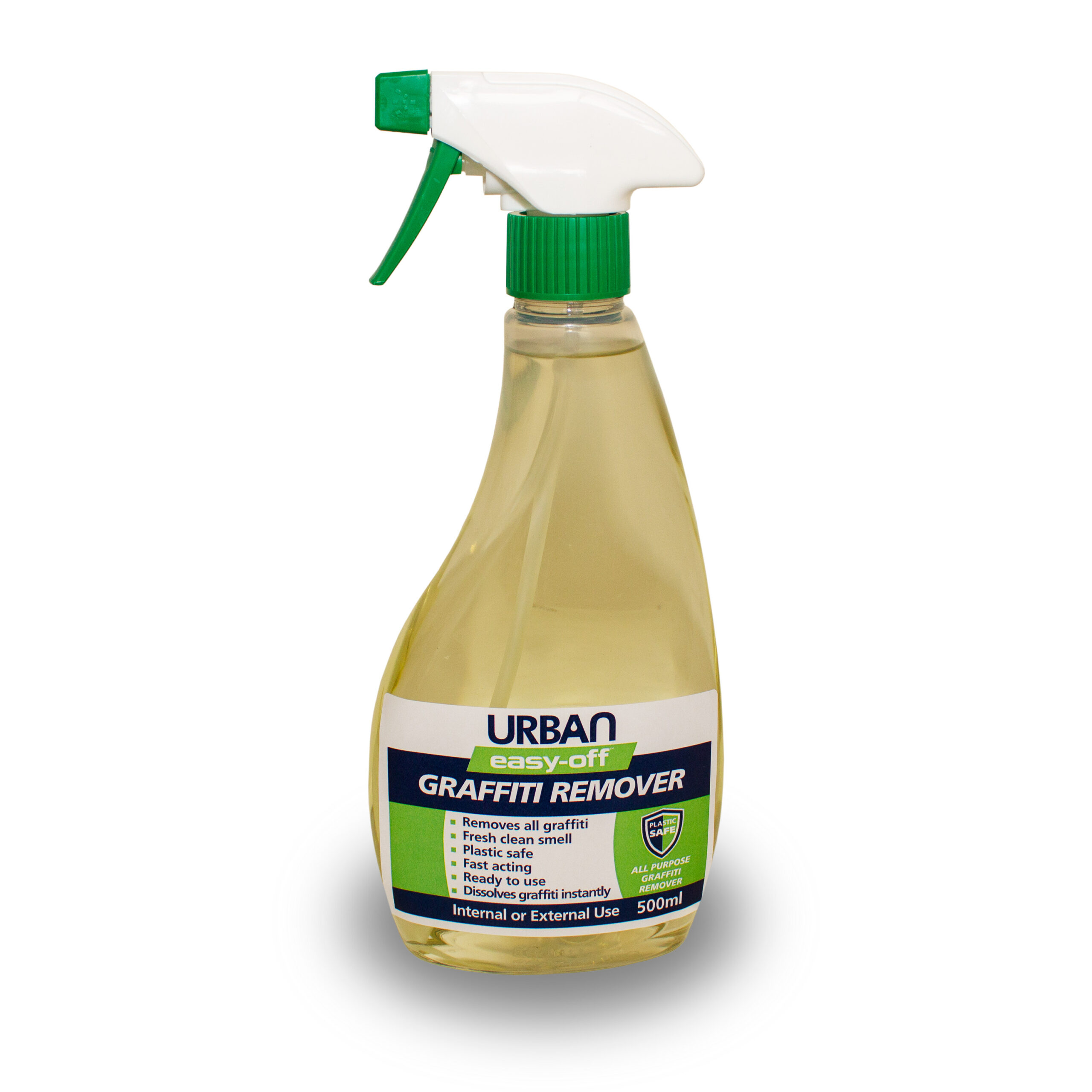
Spray it on, leave 3–4 minutes, then wipe or rinse. This ready-to-use graffiti remover spray lifts…

Wipe fresh spray paint, marker and grime off smooth, non-porous surfaces in minutes. Each resealable pouch…
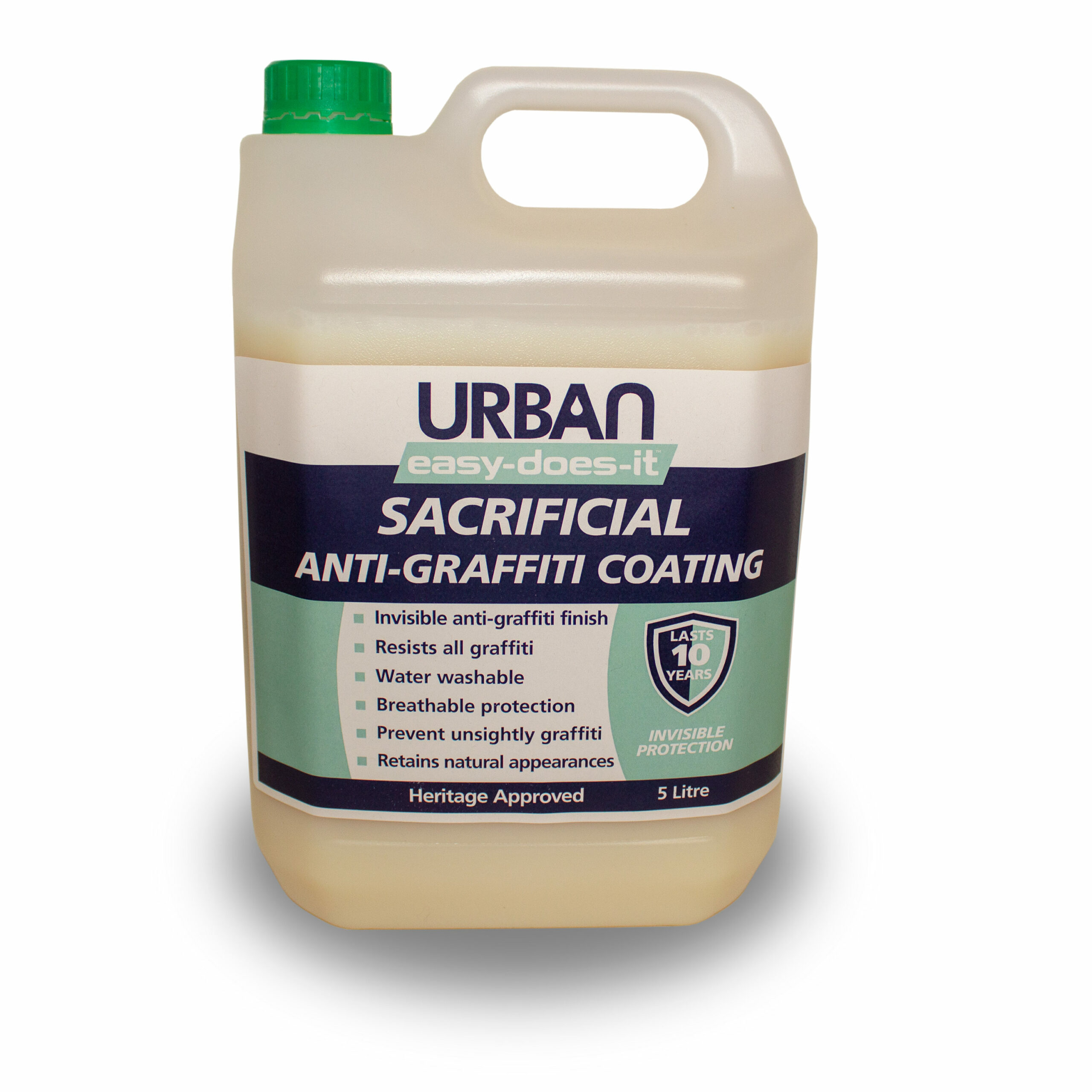
Protect natural brick, stone and concrete without changing how they look. Graffiti washes off with the…

Protect murals and street art so tags can be cleaned off without damaging the artwork underneath.…
Who we support
Urban Hygiene products protect public spaces, transport networks, managed estates and creative projects across the UK.
Our customer base
Ask about coatings, removers and surface protection